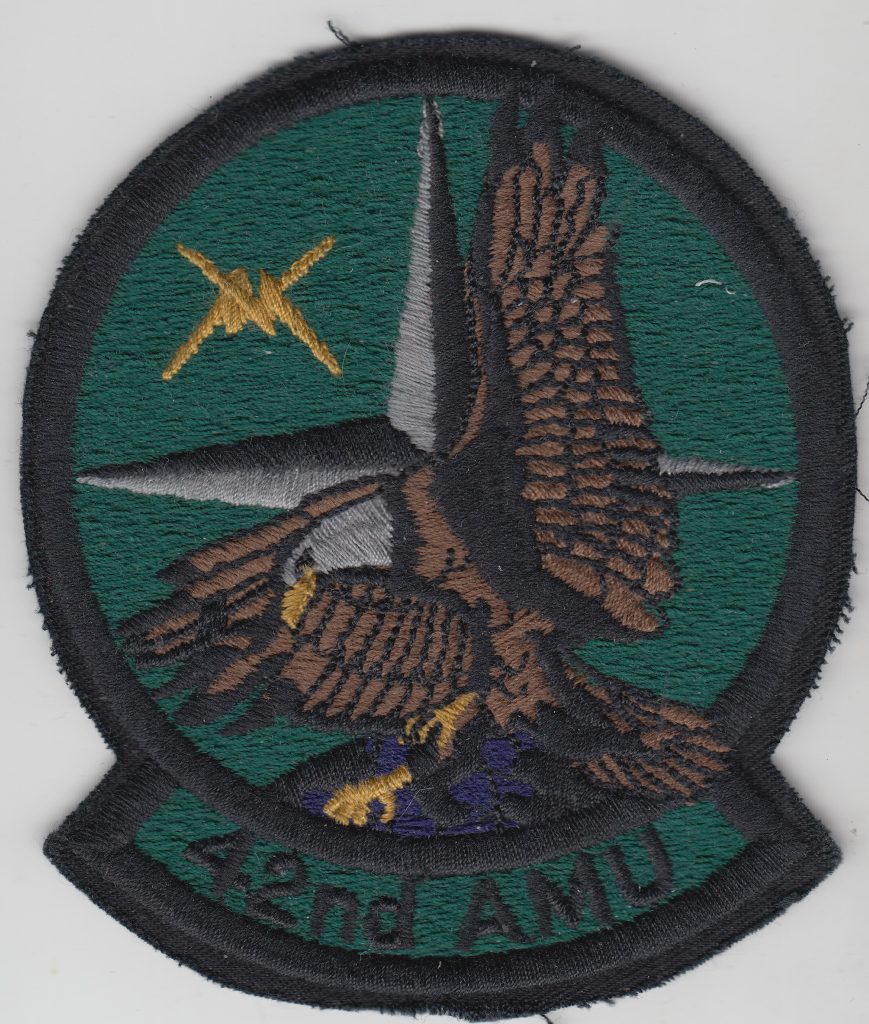
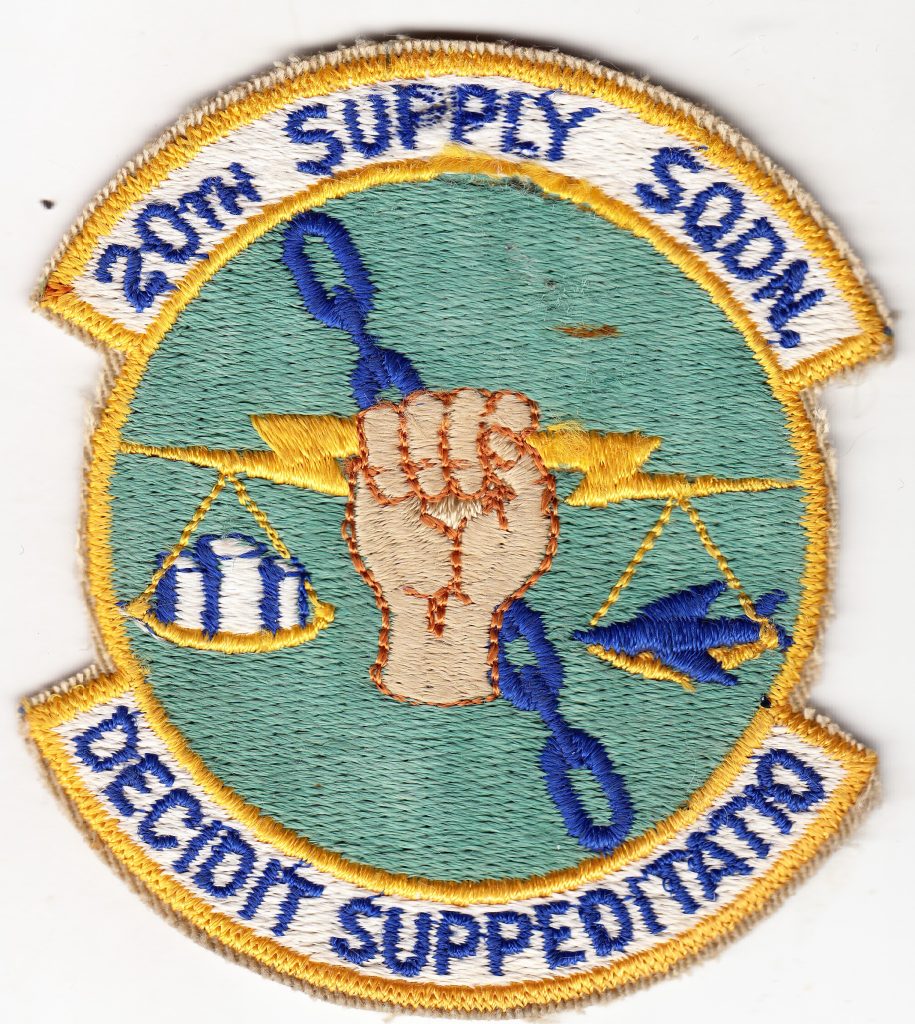
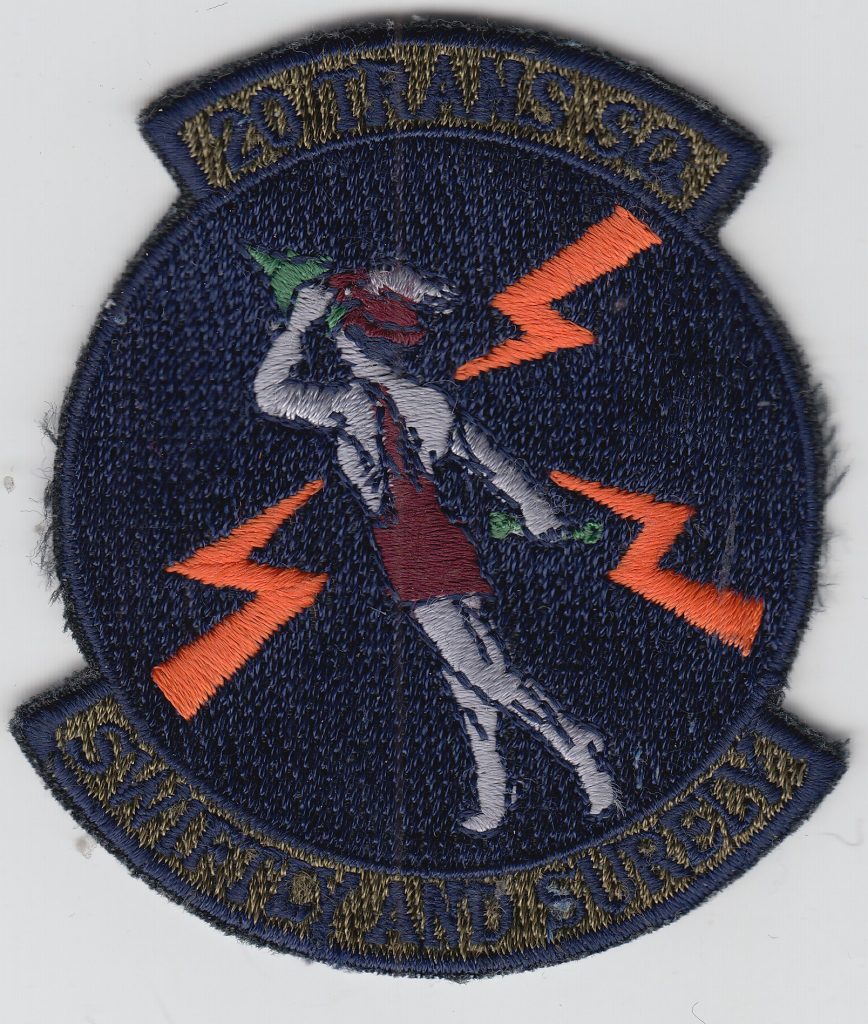
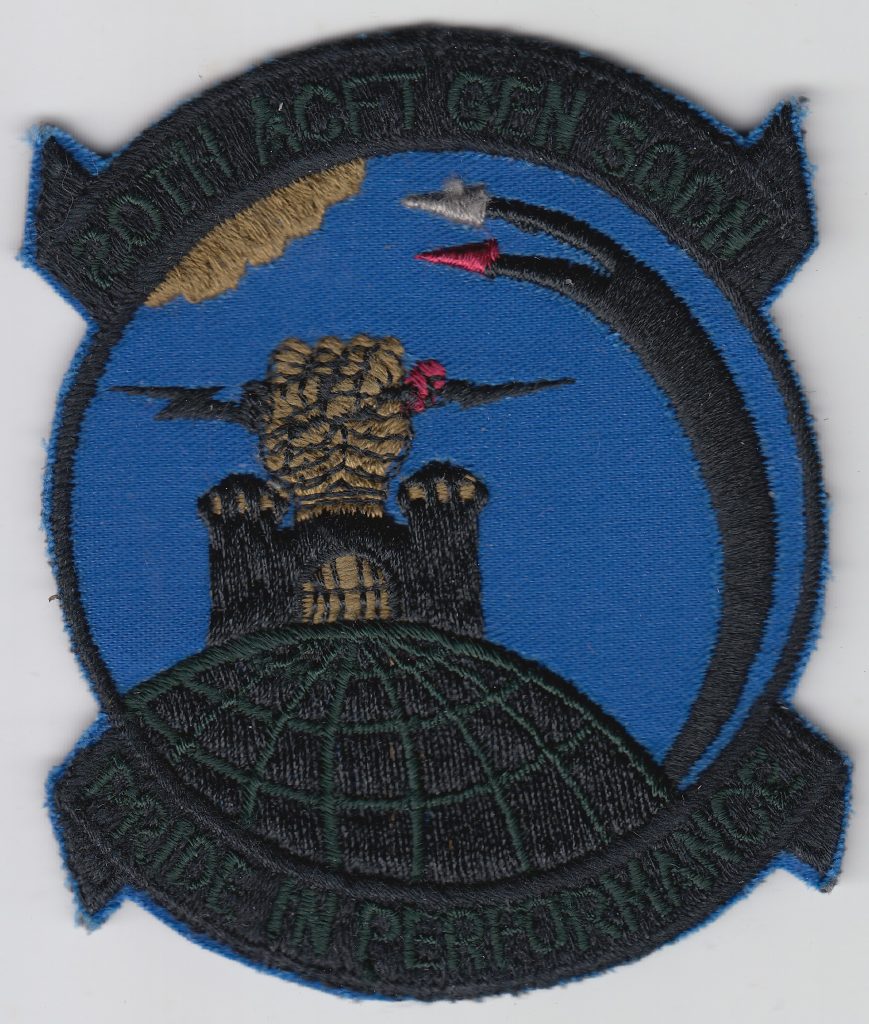
The component squadrons of the 20th Tactical Fighter Wing (55th, 77th & 79th Tactical Fighter Squadrons) can claim lineage dating back to 1917 when three Aero units of the Aeronautical Division of the US Army Signal Corps were designated on formation at Kelly Field, Texas. None of these units saw active service.
The 20th Pursuit Group was formed in 1929 by re-naming the 20h Balloon Group. By 1943 the 20th Fighter Group consisted of the 55th, 77th and 79th Fighter Squadrons and in August travelled across the Atlantic on the RMS Queen Elizabeth to operate P-38 Lightnings and P-51 Mustangs from RAF Wittering, Cambridgeshire, and RAF King’s Cliffe, Northamptonshire.
The 20th Fighter Wing (20th FW) was reformed in 1947 and in 1950 the unit was renamed the 20th Fighter Bomber Wing (20th FBW) in preparation for a tactical nuclear-capable role. From 1952 the 20th FBW was based at RAF Wethersfield, Essex, and RAF Bentwaters, Suffolk, with the Bentwaters component (79th FBS) moving to RAF Woodbridge, Suffolk, in 1954.
The Blast Off (later Victor Alert) mission began in 1958 with F-100 Super Sabres of the renamed 20th Tactical Fighter Wing (20th TFW) armed with tactical nuclear weapons kept ready to respond to Soviet aggression. This mission capability was maintained until 1986, from 1970 at RAF Upper Heyford.
The 20th TFW became the 20th FW again on 1 October 1991. The newly renamed 79th, 77th and 55th Fighter Squadron de-activated in that order in 1993. The 20th FW de-activated at RAF Upper Heyford on 7 December 1993.
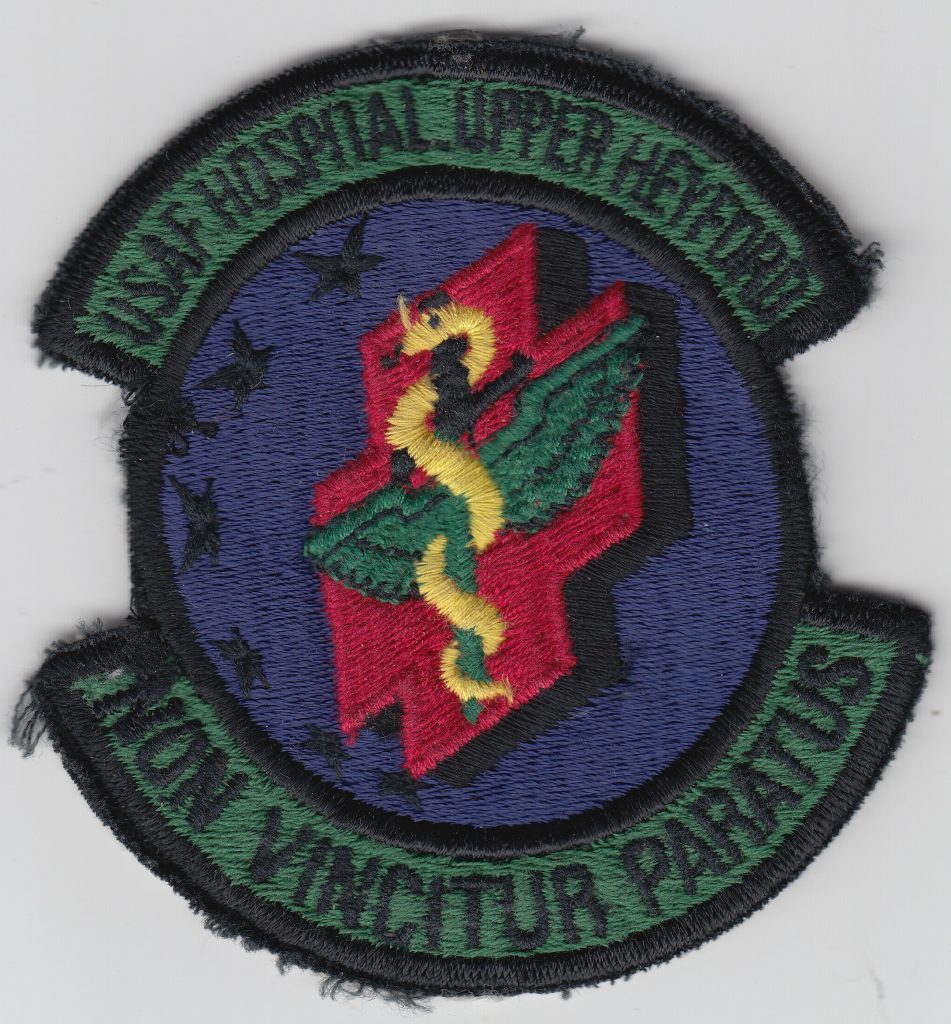
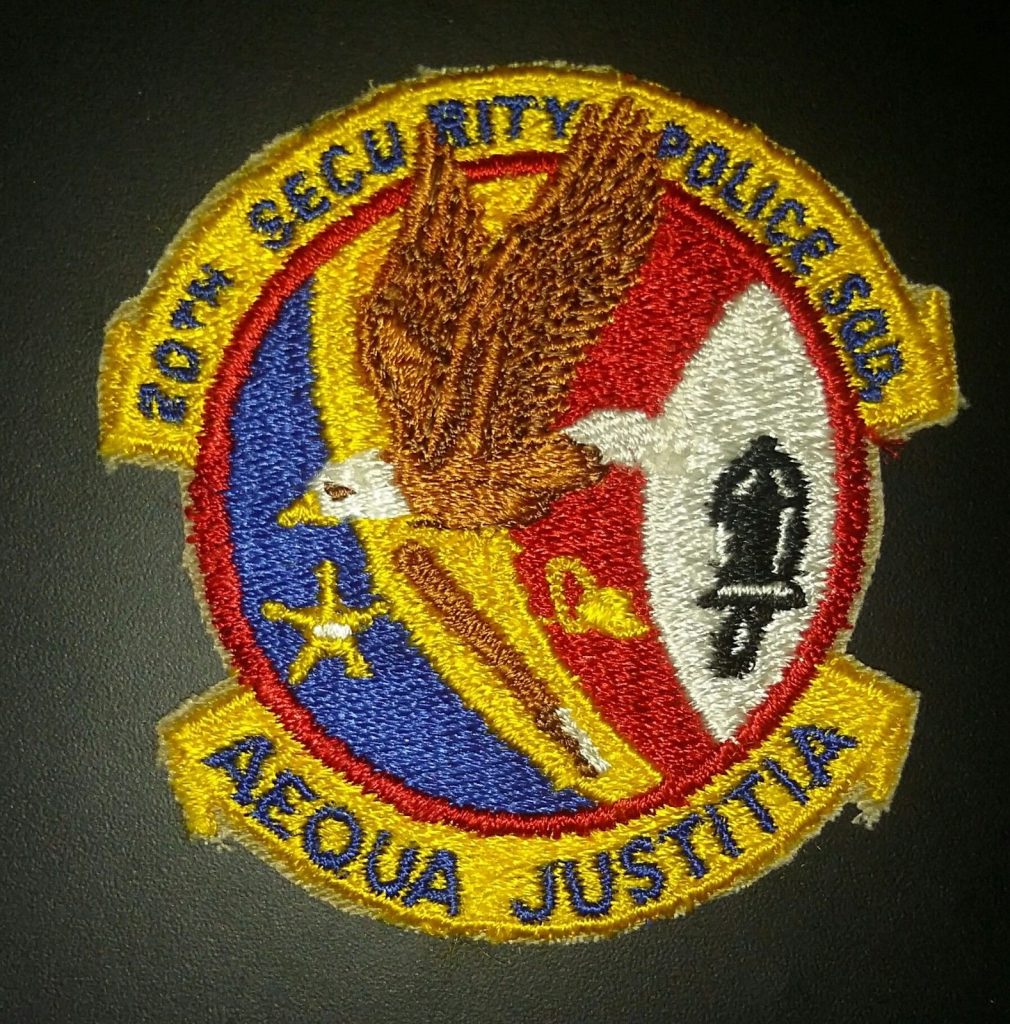
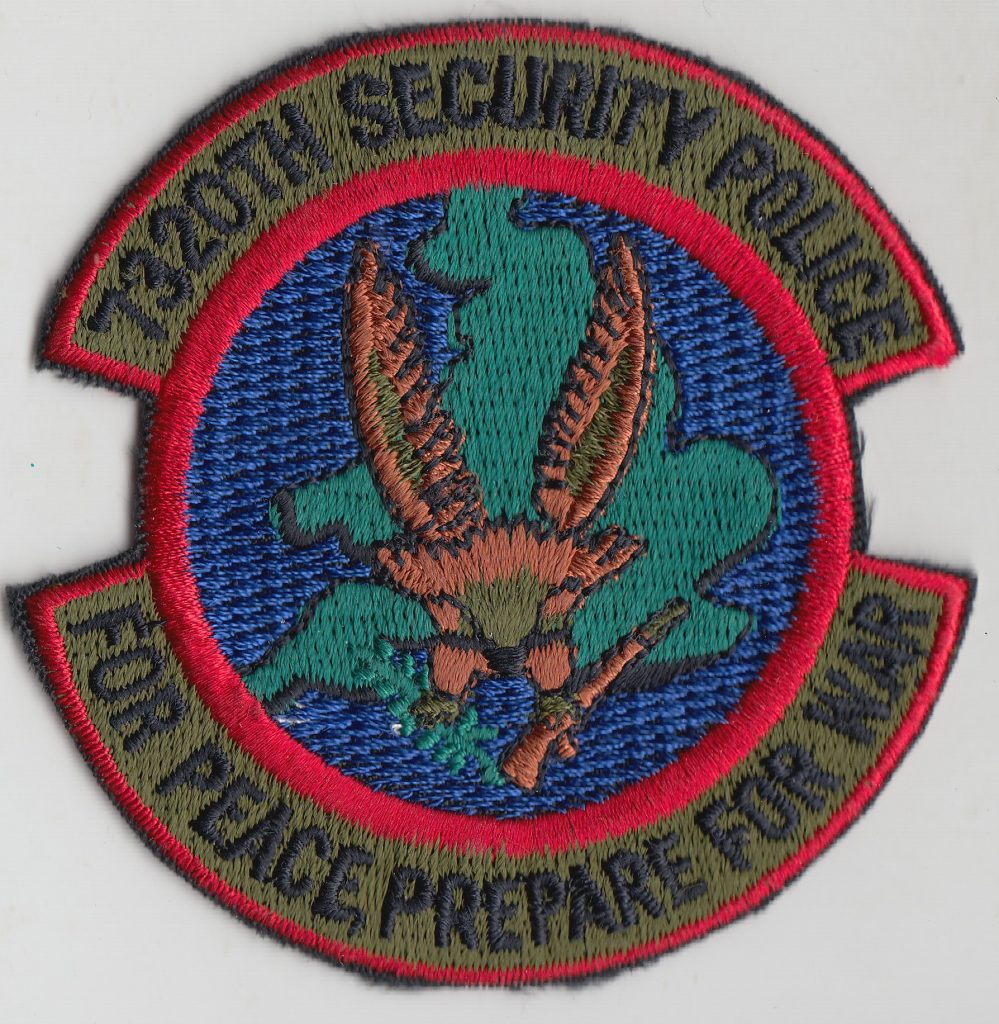
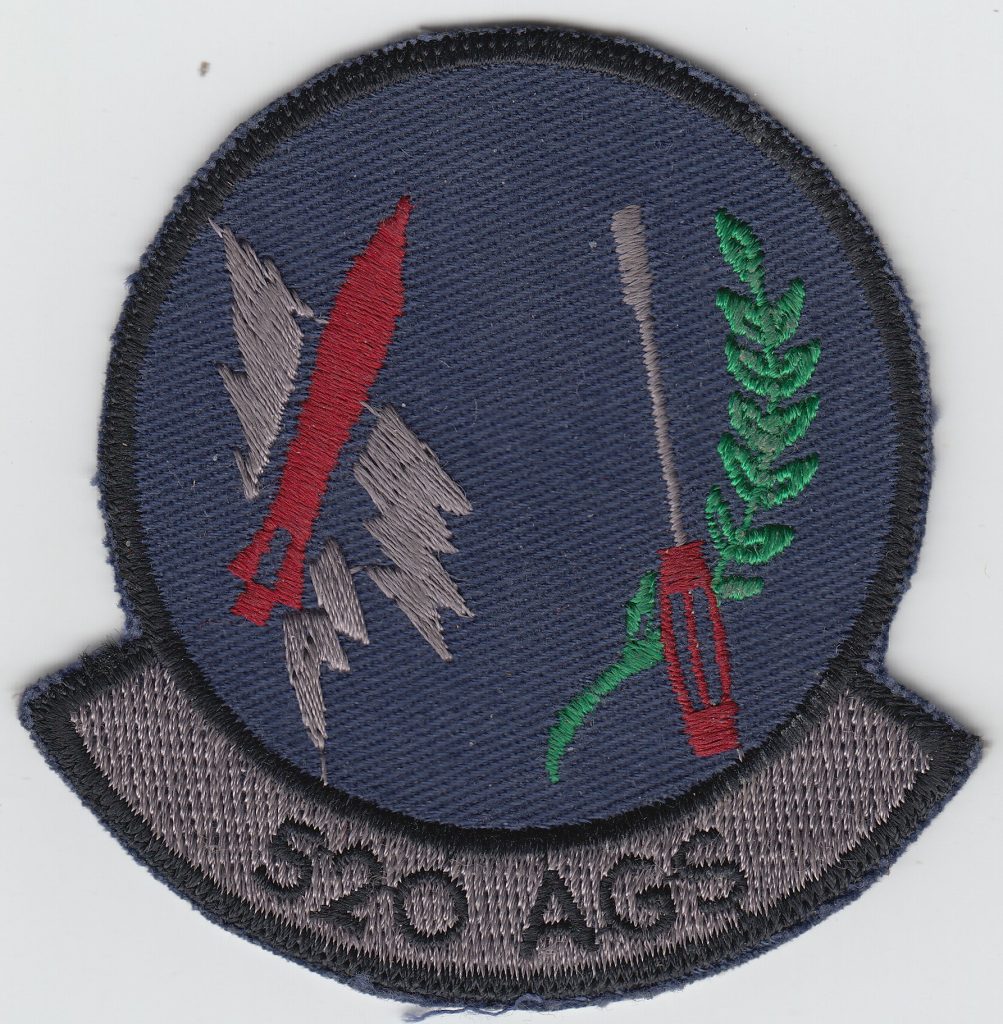
All through this period aircraft and airbase operations relied on a range of service personnel and civilians with specialist skills.