Defending the Airbase

Defending the airbase

Geography

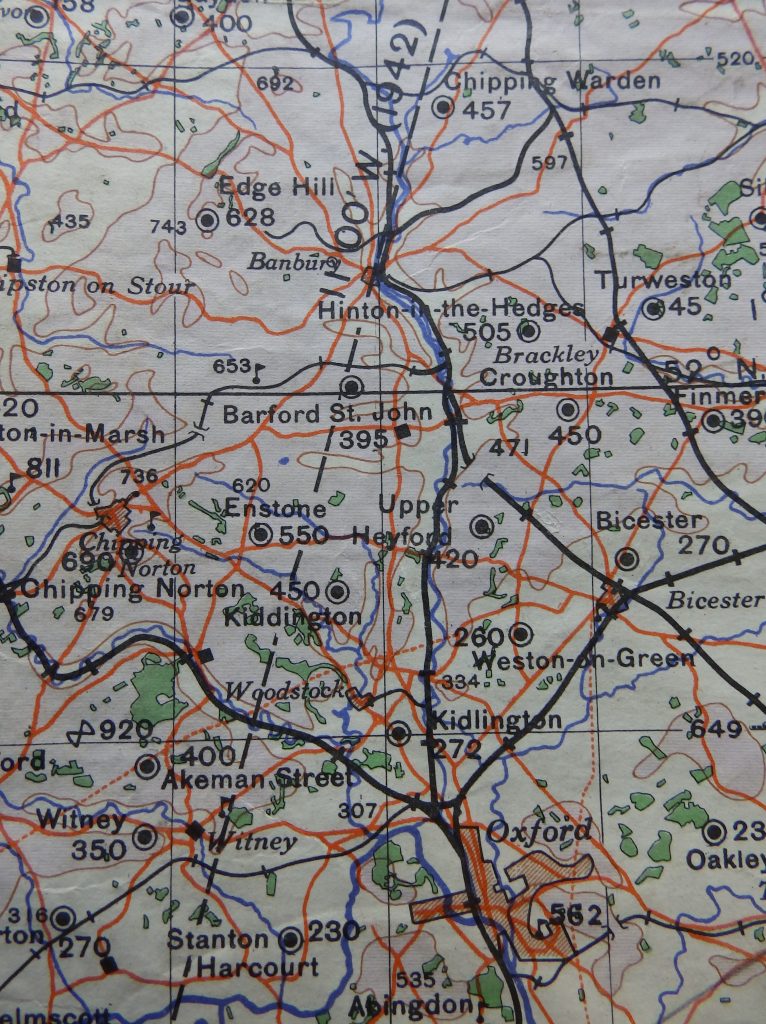
In 1917 land near Upper Heyford was chosen for a training aerodrome because it was beyond the range of German aeroplanes, difficult to find for German Zeppelins as there were no local landmarks which could be spotted easily at night, and RAF ground training schools existed already at Oxford and Reading.

In 1923 the RAF decided to return to Upper Heyford and built the first of the Wessex Bombing Area strategic bomber force bases. These were in range of French targets (France was seen as the most likely enemy) and protected by South Coast fighter bases and anti-aircraft guns centred on London.

The rise of Nazism led to bomber bases being developed in East Anglia and Lincolnshire, within range of German targets. RAF Upper Heyford became one of the many local aerodromes training bomber crews throughout the Second World War (1939-1945). 

In 1948 RAF Upper Heyford, Fairford, Greenham Common and Brize Norton were chosen to be used by the USAF Strategic Air Command’s nuclear capable bombers.

USAF needed airbases closer to targets in Soviet Russia and there was concern that the RAF bases they were using in East Anglia were vulnerable to air attack. The chosen bases were within areas protected by RAF and USAF aerial defences and fighter bases. 

The USAF bombers could be refuelled in the air by tanker aircraft to extend their range. 
 

Defending the airbase

Otmoor Decoy Site

An air raid warning should result in an area blackout. This included flarepaths used to mark runways for night flying training. Aircraft were diverted to RAF Brackley (later Croughton) which was designated as an Emergency Landing Ground, for returning RAF bombers and other aircraft, and so kept its flarepath lit.

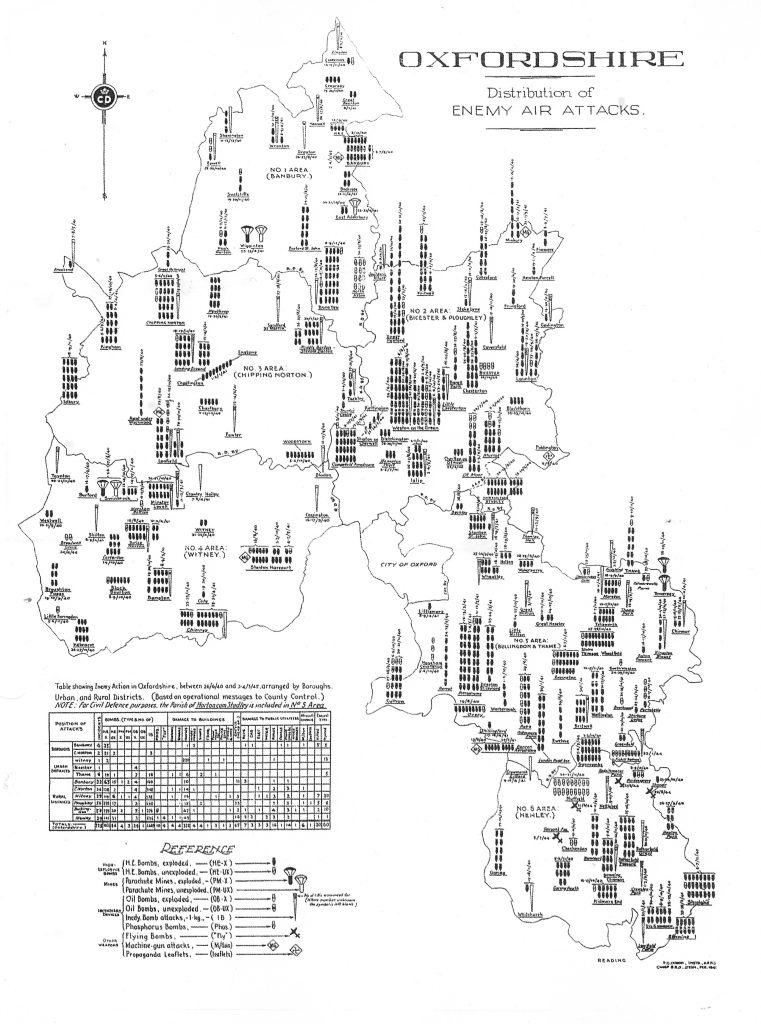
Braziers were set out on Otmoor to be lit during air raids to simulate Heyford’s flare path. Otmoor decoy was bombed by the Luftwaffe.

Defending the airbase

89th Battery, 35th Light Anti-Aircraft Regiment, Royal Artillery

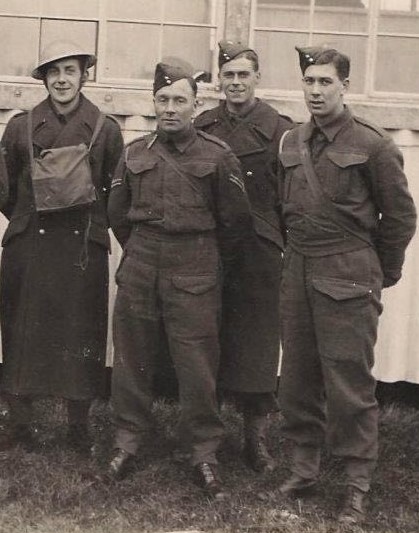
On 2 September 1939 posters appeared in Oxford asking for recruits, aged 25-50, to enlist in a newly formed anti-aircraft unit to defend Oxfordshire against German bombers. 

35th Regimental Headquarters was established at Blackhall, St Giles, Oxford and by the end of October the Battery was sent to RAF Upper Heyford.

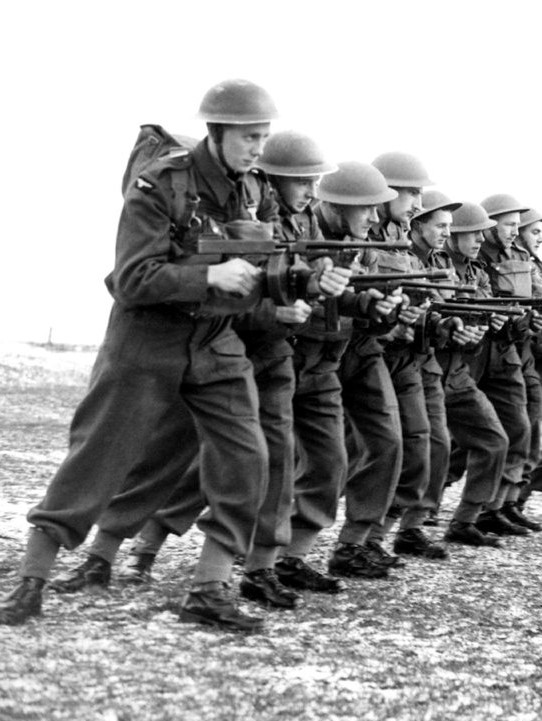
It was intended that the Battery would be equipped with 40 mm Bofors anti-aircraft guns but these were in very short supply and Lewis machine guns were issued instead. 

Later in 1939 the 35th Regiment was moved south to defend areas more vulnerable to Luftwaffe attack.

In November 1941 the 35th Regiment departed for Singapore. Part of the 89th Battery was lost when the ship it was on was bombed by the Japanese during the evacuation of Singapore. The rest of the Battery was captured by the Japanese in Java.

Frank and Harry Wickson, brothers from Upper Heyford, were among those who died in Japanese captivity.


Defending the airbase

2738 Squadron RAF Regiment

The RAF Regiment was formed in 1942 as an airfield defence force. 2738 Squadron served at RAF Upper Heyford but left for Cornwall in August 1943 as there was little threat from a German invasion.

Defending the airbase

The Americans Arrive

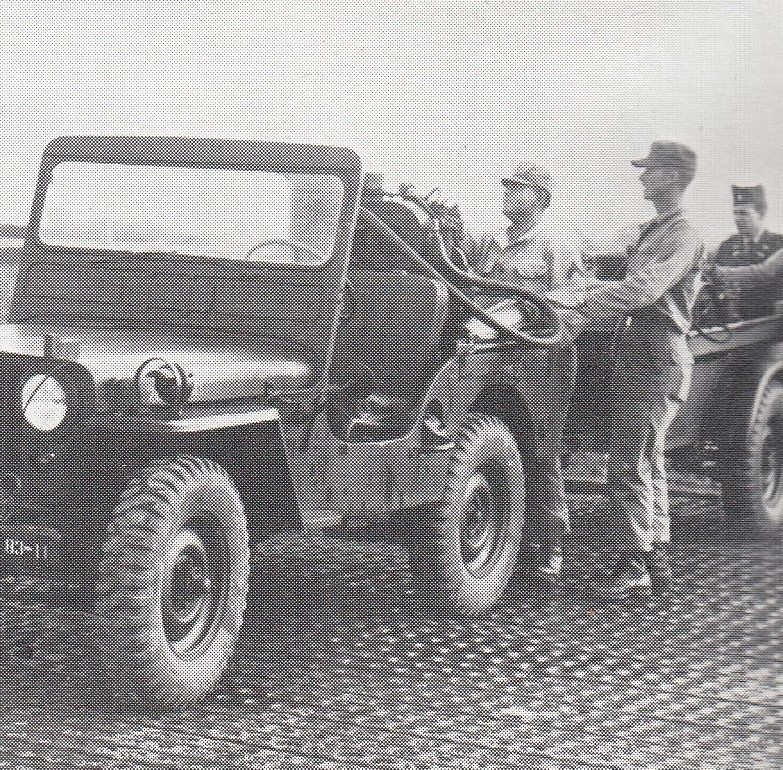
Despite negotiations between the British and US Governments for Britain to provide anti-aircraft defences for RAF Upper Heyford this role was undertaken by the US Army 1952-1957.

The 98th Chemical Smoke Generator Company deployed to RAF Upper Heyford in May 1952 and the 4th Anti-Aircraft Battalion  arrived  in February 1953.

USAF had its own units to deal with airfield ground defence and law enforcement.

Defending the airbase

The 98th Chemical Smoke Generator Company

“There were two chemical companies located near us. Their duty was to lay smoke screens when unidentified aircraft would penetrate the security of the base and they knew how to choke us with smoke. They would be in place before first morning light and not return to garrison until well after dark. They had it rough in the during the summer hours because of the extended days hours. The Army personnel were subject to duty 24 hours a day as long as you were on the base”. PFC RR Gordon, 4th AAA Battalion

“The 98th was another WWII unit whose time had passed. Wanna bomb Heyford? The whole countryside is clear. But that little patch is covered with white smoke”.

Jerry Moore, 3918th Headquarters Squadron.

Defending the airbase

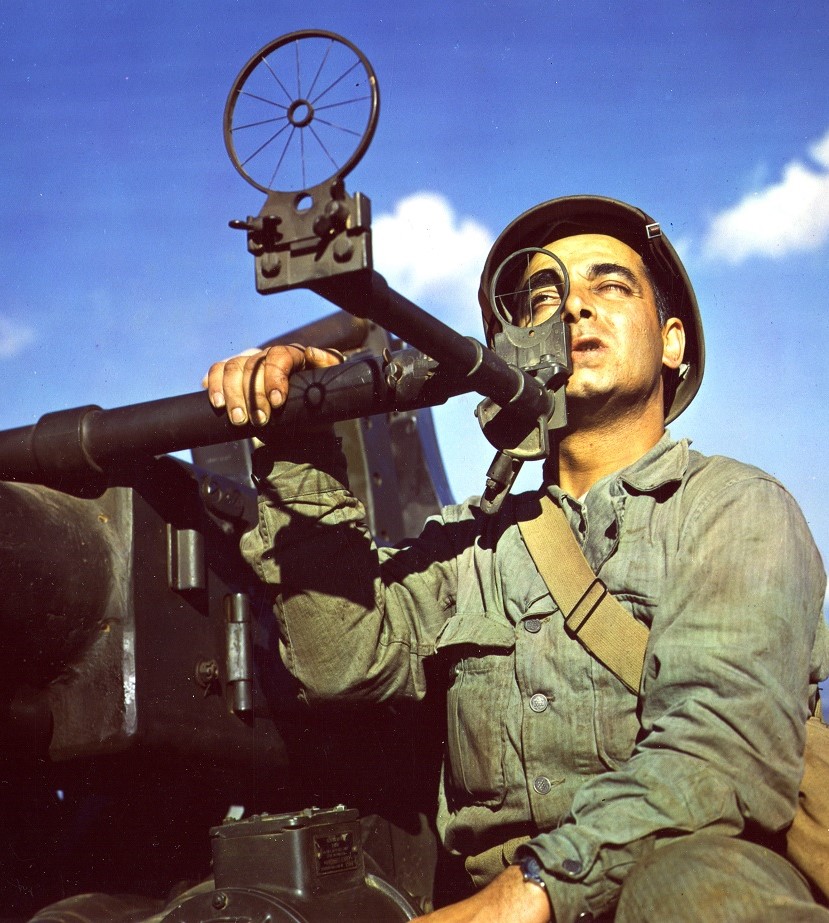
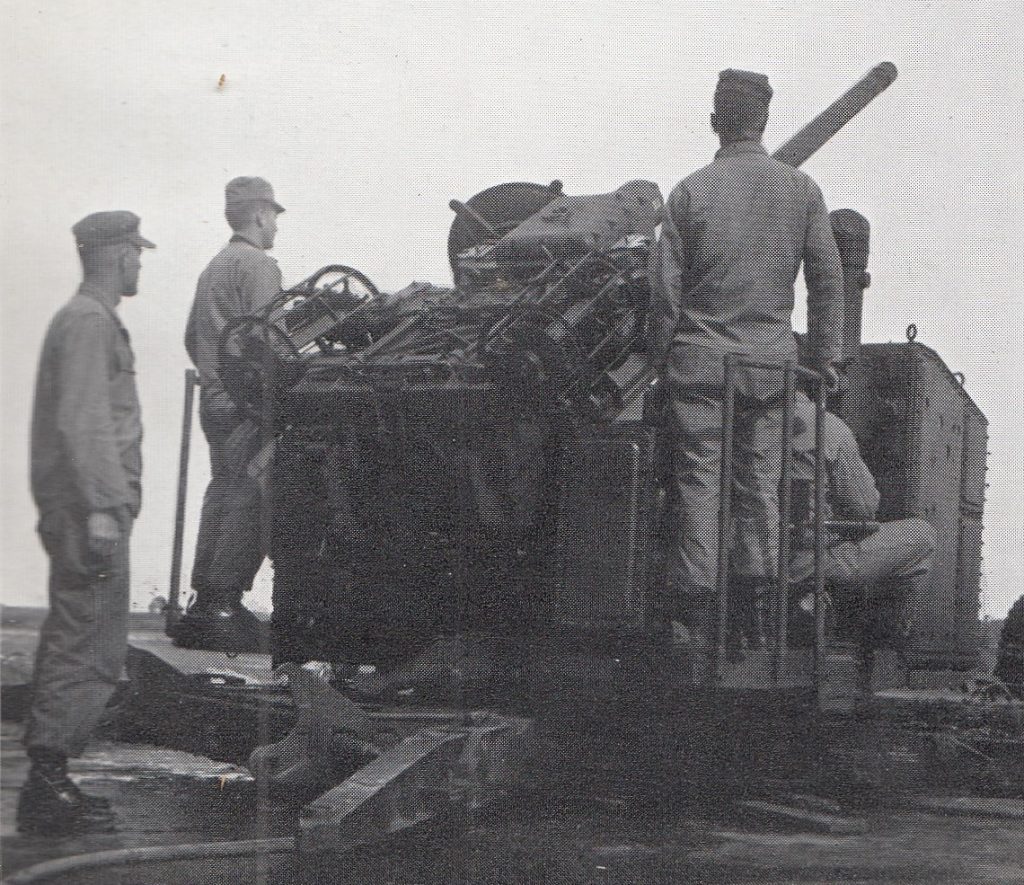
4th Anti-Aircraft Battalion

“The 4th AAA had 40mm guns, which probably couldn’t hit anything — outside of a WWII aircraft. One time, some USAF F-84s flew in from Europe. Coming in, one dropped its auxiliary fuel tank — and in minutes one gun site had uncovered its weapon and was preparing for shooting. Once each week, the RAF would fly its Meteors over on low altitude, high speed runs for 4th AAA tracking practice”.

Jerry Moore, 3918th Headquarters Squadron.

Defending the airbase

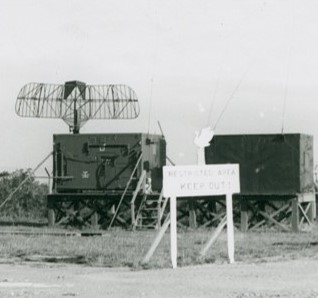
Early Warning Radar

We had about four radar installations in close proximity to the flight line. Our mission at the time was to provide early warning”. PFC Al Trzeciak, 4th AAA Battalion

Defending the airbase

Skysweepers

“In the mid-50s, the 4th AAA converted to a 75mm gun, called the “Skysweeper,” which in turn, became obsolete quickly. The army units were well disciplined and sharp. Their officers were a tough bunch of guys”.

Jerry Moore, 3918th Headquarters Squadron.

Defending the airbase

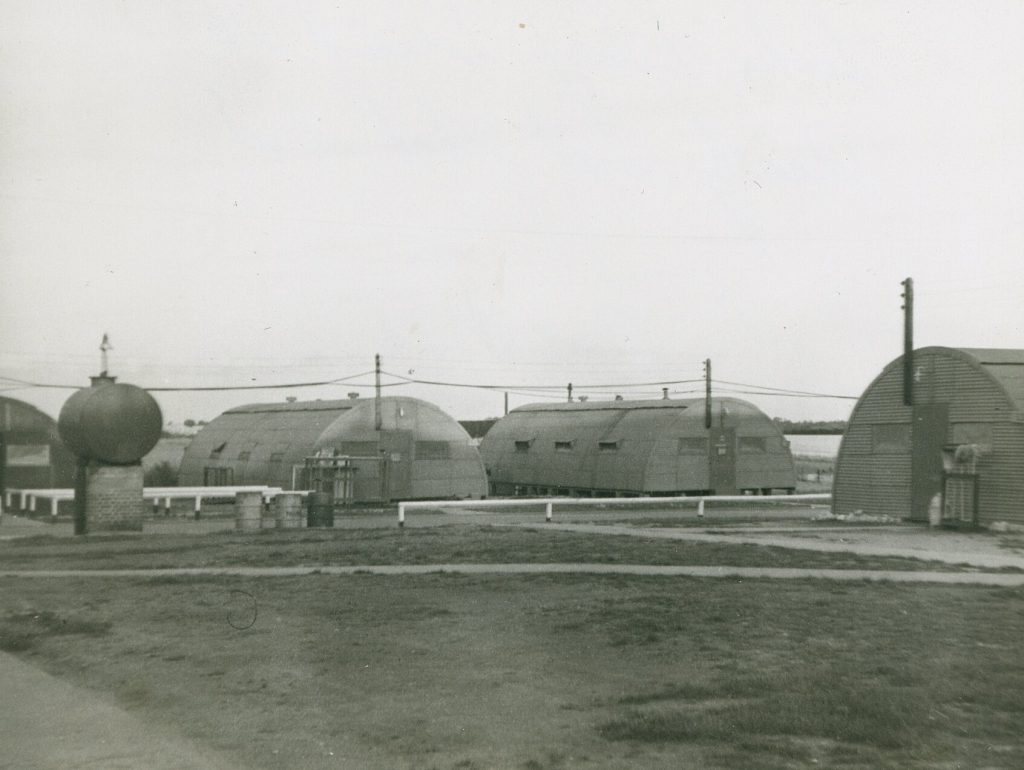
Billeting the US Army

The 98th was billeted in Quonset huts on Site 4 near Gate 7. On the other side of Camp Road was Site 3 where the 4th AAA was billeted.

The 98th and the 4th AAA de-activated in July 1957 and the US Army’s time at RAF Upper Heyford ended.

Defending the airbase

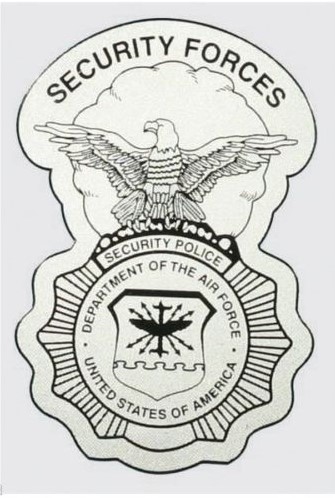
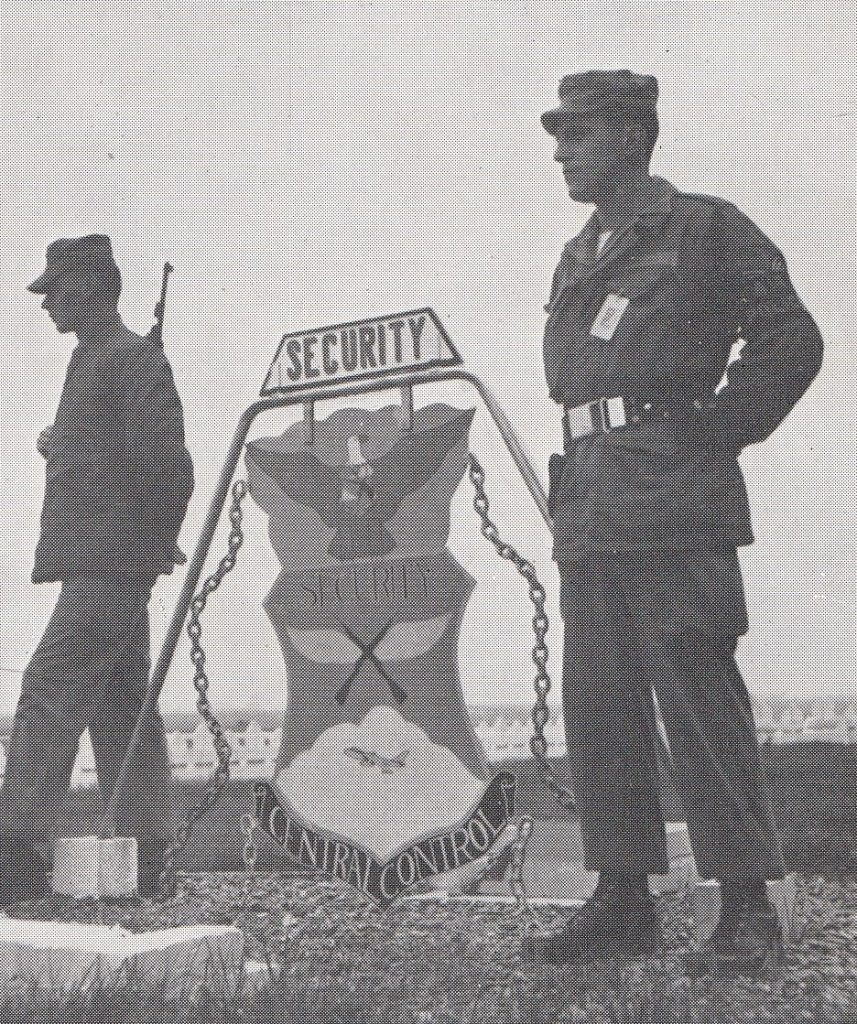
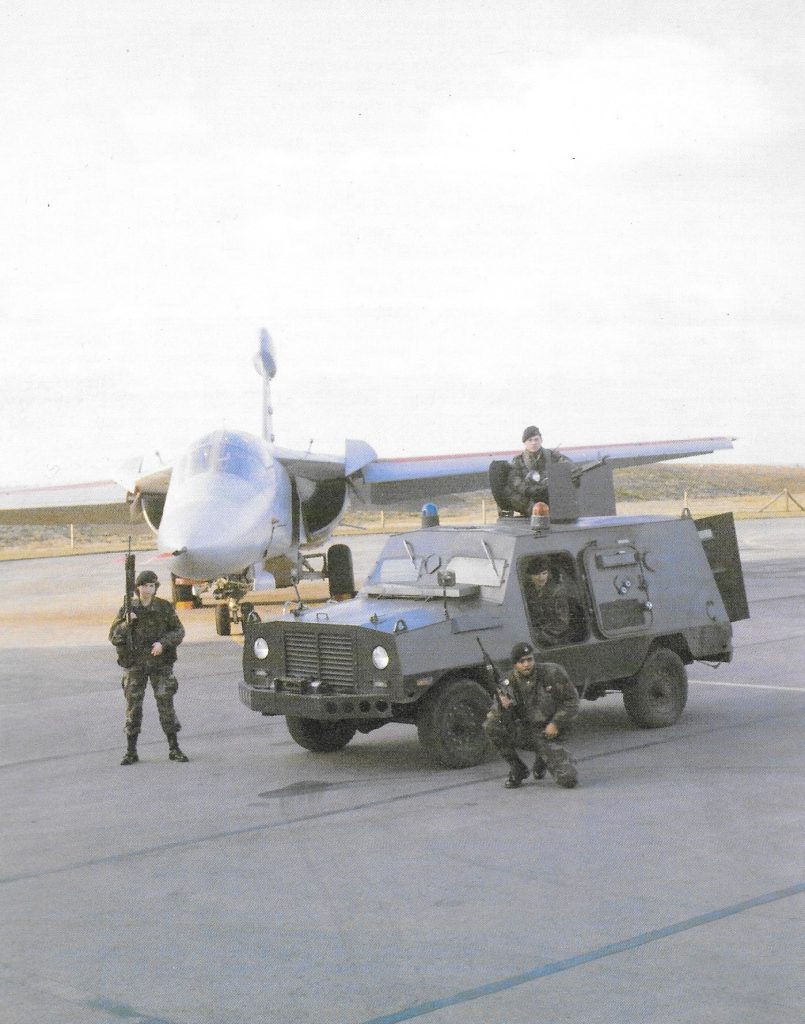
3918th Air Police Squadron

3918th Air Police Squadron was responsible for airbase security when RAF Upper Heyford was a SAC (Strategic Air Command) base. The 3918th Strategic Wing de-activated on 31 March 1965 at the end of Heyford’s time as a SAC operational base. 

Defending the airbase

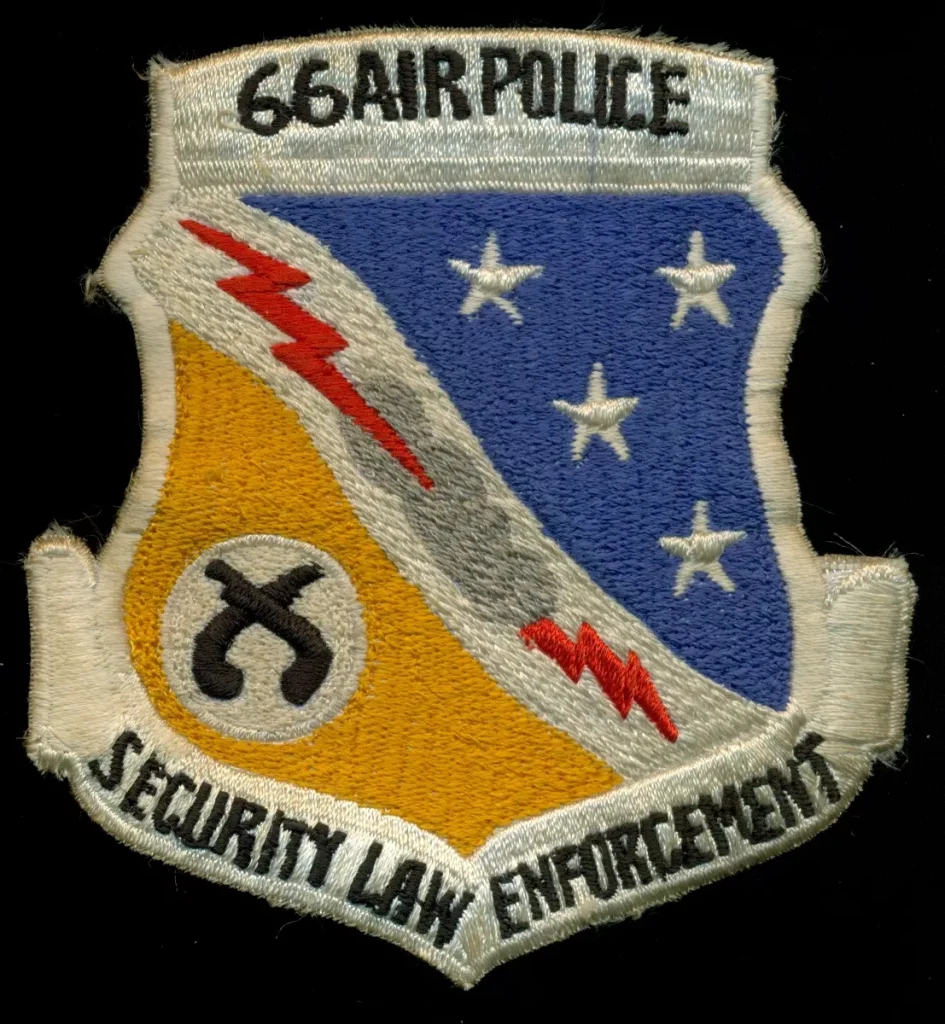
66th Air Police Squadron

The 66th Air Police Squadron took over airbase security from 1 September 1966 when the 66th TRW (Tactical Reconnaissance Wing) arrived from Laon and was renamed the 66th Security Police Squadron on 1967. It deactivated on 1 April 1970 when the 20th Tactical Fighter Wing arrived at Upper Heyford.

Defending the airbase

20th Security Police Squadron

The 20th Security Police Squadron arrived with the 20th TFW (Tactical Fighter Wing) in 1970. In 1986 the 20th SPS was reorganized to form 7320 Security Police Group which controlled 20 Security Police Squadron (law enforcement) and 7320th Security Police Squadron (airbase security). In December 1988 the 7320th SPS was re-designated 620th SPS. The Squadron was deactivated at RAF Upper Heyford in December 1993 and re-established at Shaw AFB on 1 January 1994. It was renamed the 20th Security Force Squadron on 1 July 1997

Defending the airbase

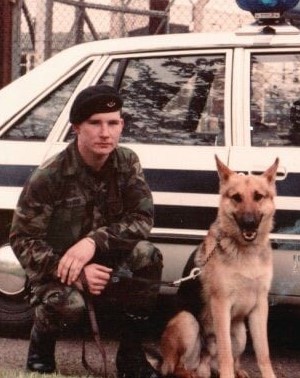
20th Security Police K-9 unit

The 20th Security Police K-9 unit was established at RAF in 1970 using six British dogs to avoid quarantine issues with using American dogs. The K-9 unit was based in Building 296 near Gate 7.

Defending the airbase

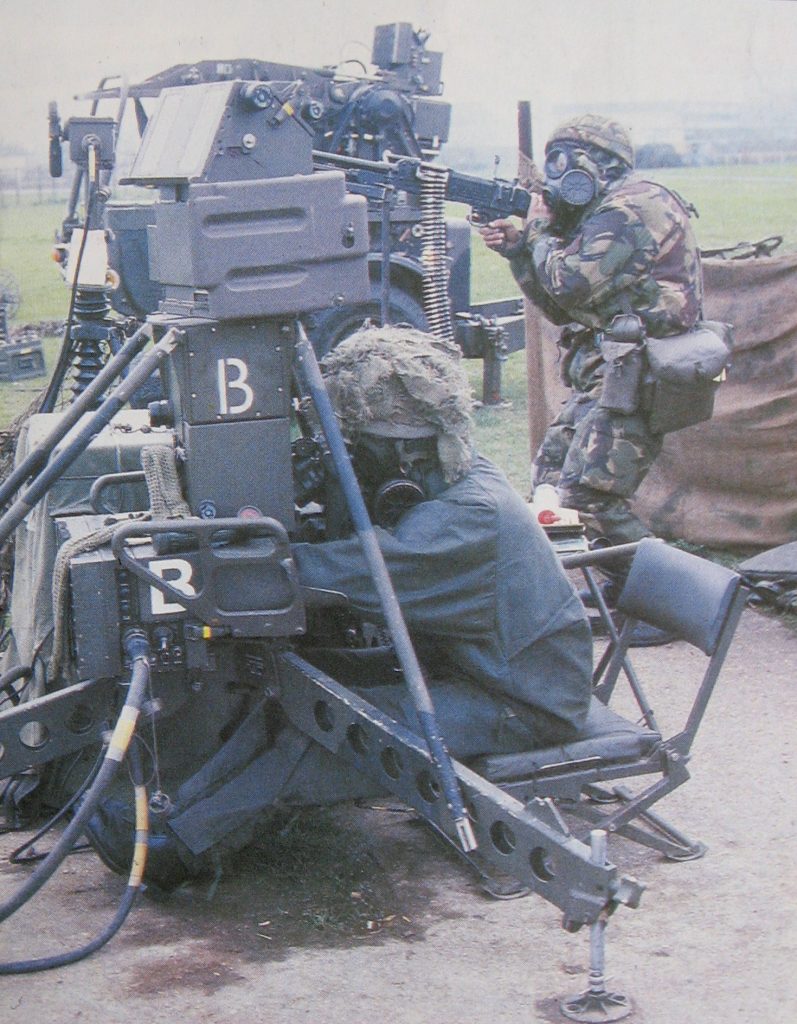
19 Squadron RAF Regiment - Uncle Sam's SAMs

The United States ordered 32 Rapier launchers with Blindfire radars in 1981 for air defence of USAF airbases in the UK. These were operated by the RAF Regiment, 19 Squadron deploying from RAF Brize Norton to RAF Upper Heyford for exercises and Alerts.

Defending the airbase

A new threat ?

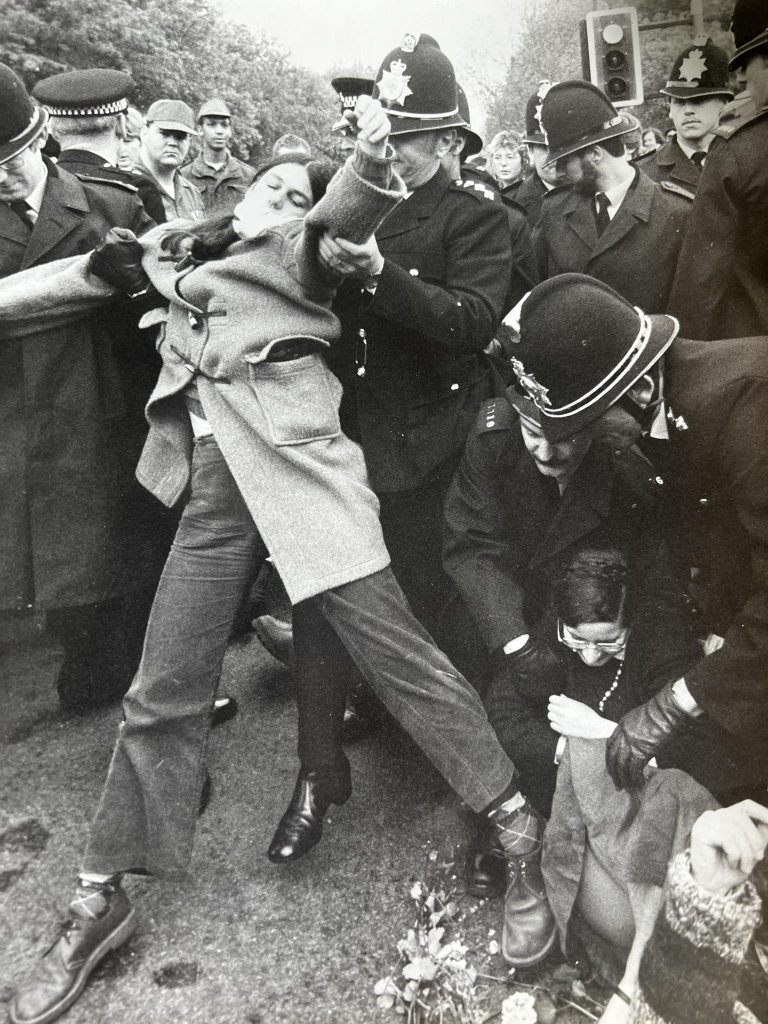
The setting up of a Peace Camp outside the airbase in 1982, a ‘sit down’ protest on Camp Road in 1983 and renewed protests following the US bombing of Libya in 1986 caused issues as airbase defences were focused on dealing with military threats and US personnel had no right of arrest for UK civilians.

High wire fences were installed around the airbase perimeter, Gate 7 (closest to the Peace Camp) was operated by British Ministry of Defence Police (who did have the right to arrest) and any incidents were dealt with by British Police.

Defending the airbase

Improving Ground Defences

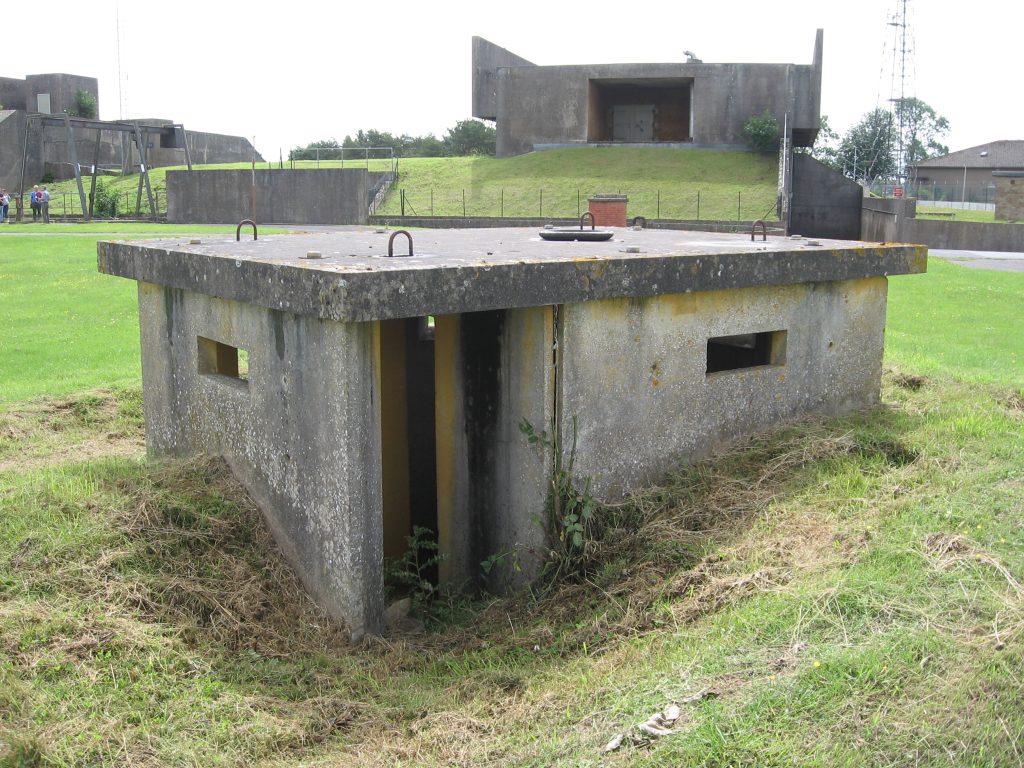
A number of concrete Defensive Fighting Positions (pillboxes) replaced sandbag dugouts on the airbase perimeter in response to an increased threat of terrorist attack following the US bombing of Libya in 1986.

Defending the airbase

Improving Ground Defences

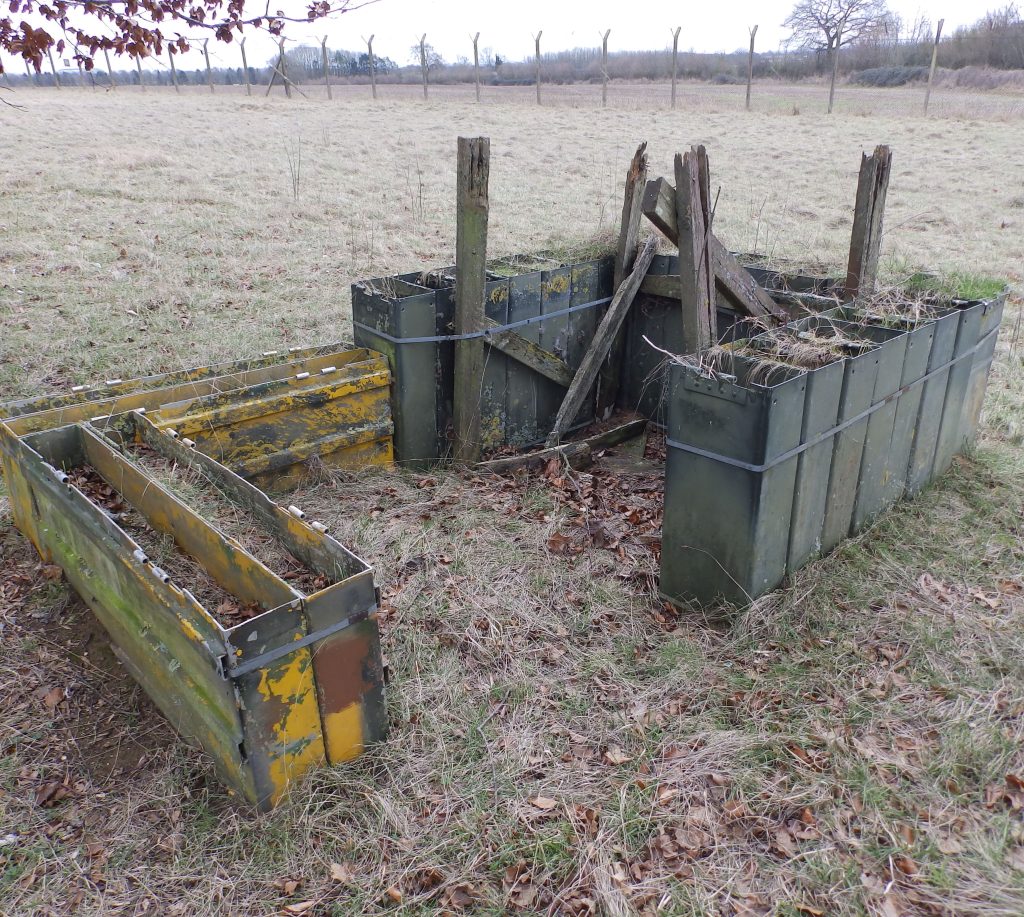
A number of temporary Defensive Fighting Positions were installed around the perimeter of the Southern Conventional Armaments Store (South CAS). These were constructed from earth filled metal boxes with a wooden pallet roof covered in sandbags.

Visit Us

Visit the Heritage Centre

Explore the stories of those who protected RAF Upper Heyford, ensuring the safety and readiness of one of NATO’s most important airbases.

Opening Hours