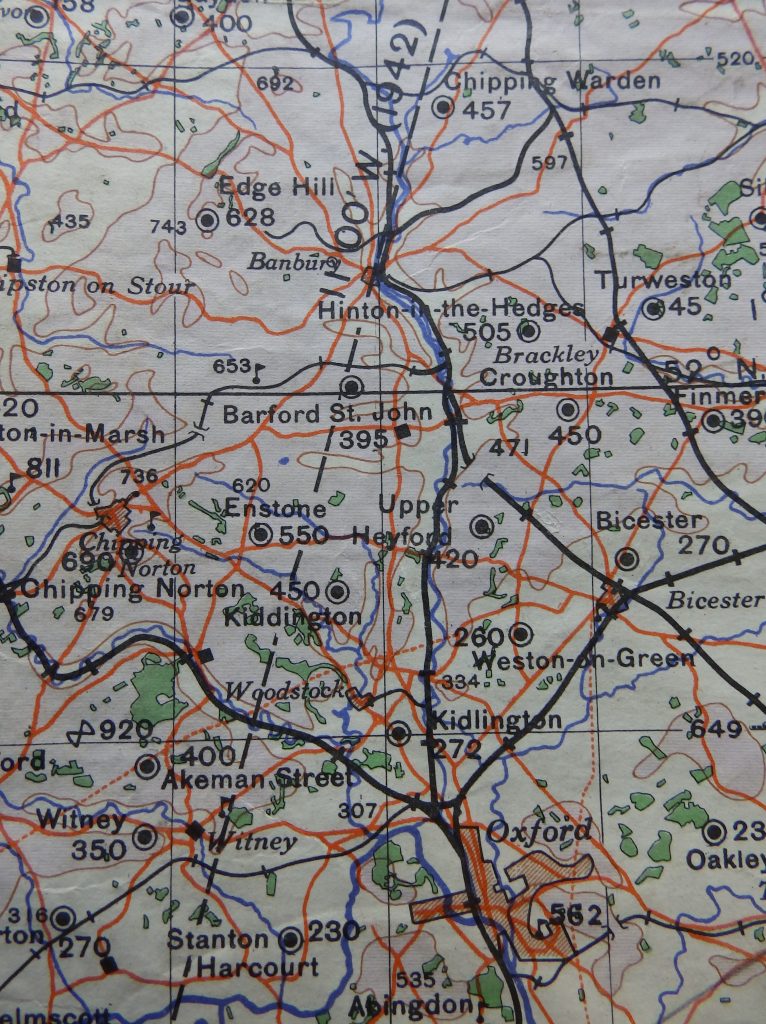
In 1917 land near Upper Heyford was chosen for a training aerodrome because it was beyond the range of German aeroplanes, difficult to find for German Zeppelins as there were no local landmarks which could be spotted easily at night, and RAF ground training schools existed already at Oxford and Reading.
In 1923 the RAF decided to return to Upper Heyford and built the first of the Wessex Bombing Area strategic bomber force bases. These were in range of French targets (France was seen as the most likely enemy) and protected by South Coast fighter bases and anti-aircraft guns centred on London.
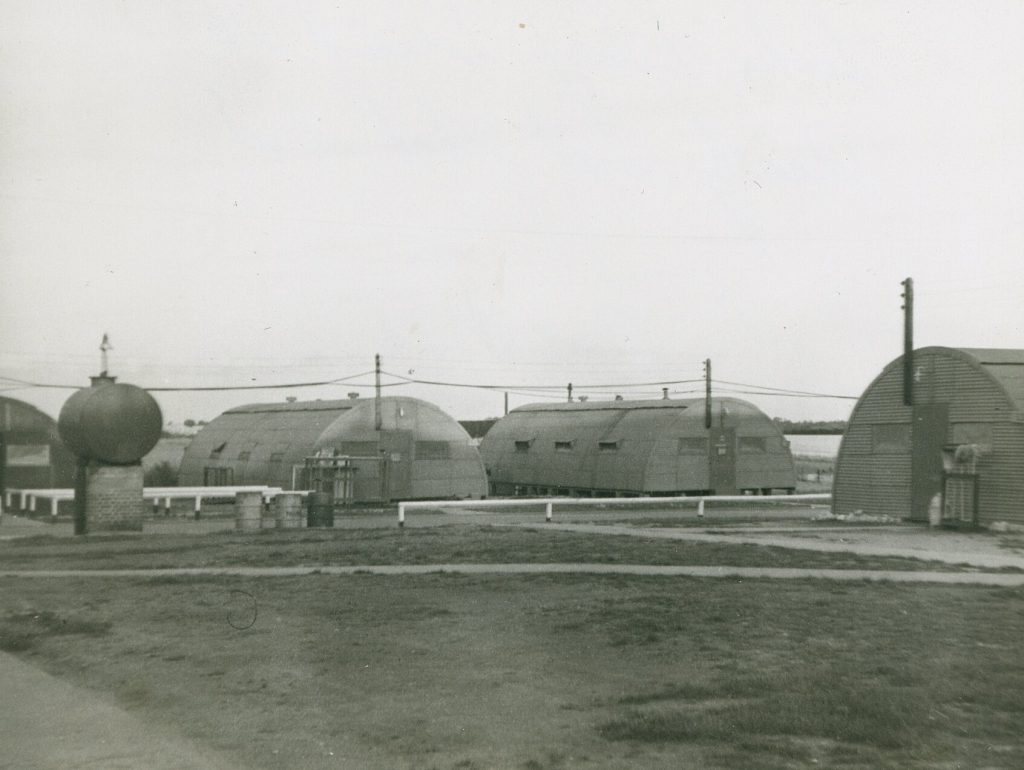
The rise of Nazism led to bomber bases being developed in East Anglia and Lincolnshire, within range of German targets. RAF Upper Heyford became one of the many local aerodromes training bomber crews throughout the Second World War (1939-1945).
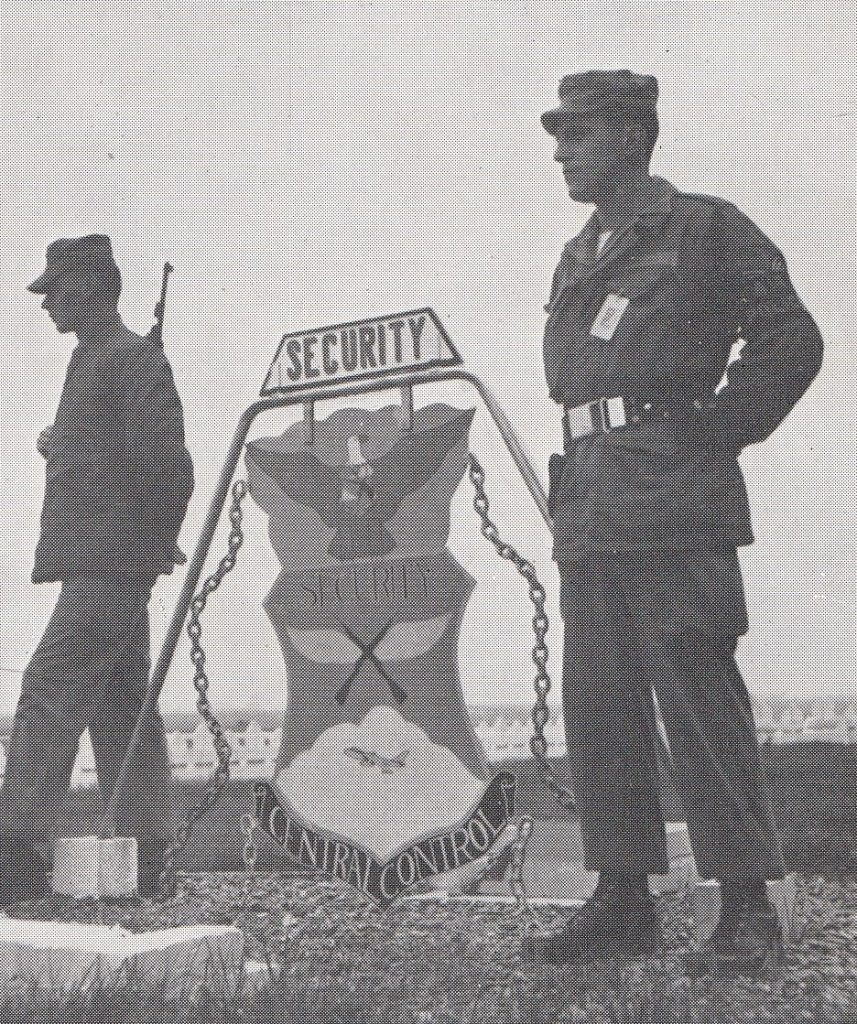
In 1948 RAF Upper Heyford, Fairford, Greenham Common and Brize Norton were chosen to be used by the USAF Strategic Air Command’s nuclear capable bombers.
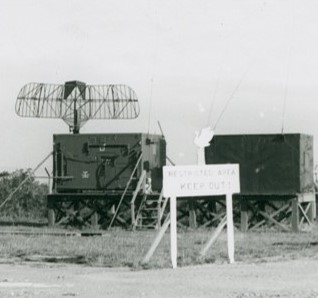
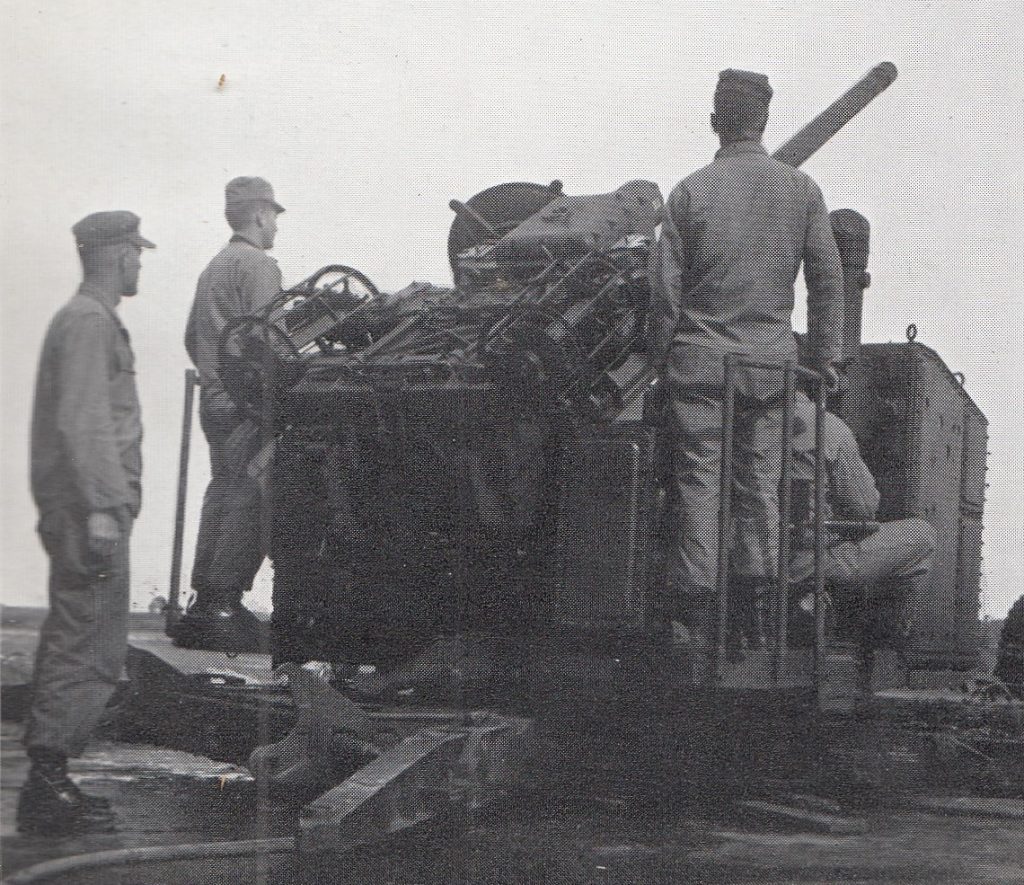
USAF needed airbases closer to targets in Soviet Russia and there was concern that the RAF bases they were using in East Anglia were vulnerable to air attack. The chosen bases were within areas protected by RAF and USAF aerial defences and fighter bases.
The USAF bombers could be refuelled in the air by tanker aircraft to extend their range.