USAF at RAF Upper Heyford 1

Strategic Air Command 1951-1965

Strategic Air Command

USAF adopt RAF Upper Heyford

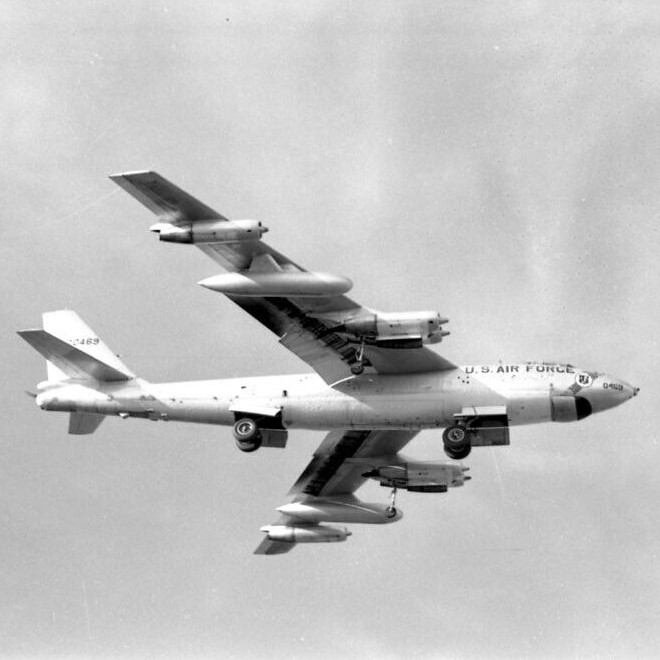
USAF’s Strategic Air Command (SAC) bombers had limited range and so needed bases closer to Soviet Russia than America.

In June 1950 the US 801st Engineer Aviation Battalion arrived at Upper Heyford to upgrade the airbase for SAC operations.

The runway was improved and extended, new concrete hard standings (ramps) were laid and ‘Nose Docks’ were erected for undercover maintenance of aircraft too large for the existing hangars. A new control tower and stores for nuclear and high explosive bombs were built.

RAF Upper Heyford was handed over to USAF in May 1951. 

Strategic Air Command

TDYs - Temporary Deployments

SAC deployments to RAF Upper Heyford began in 1951.

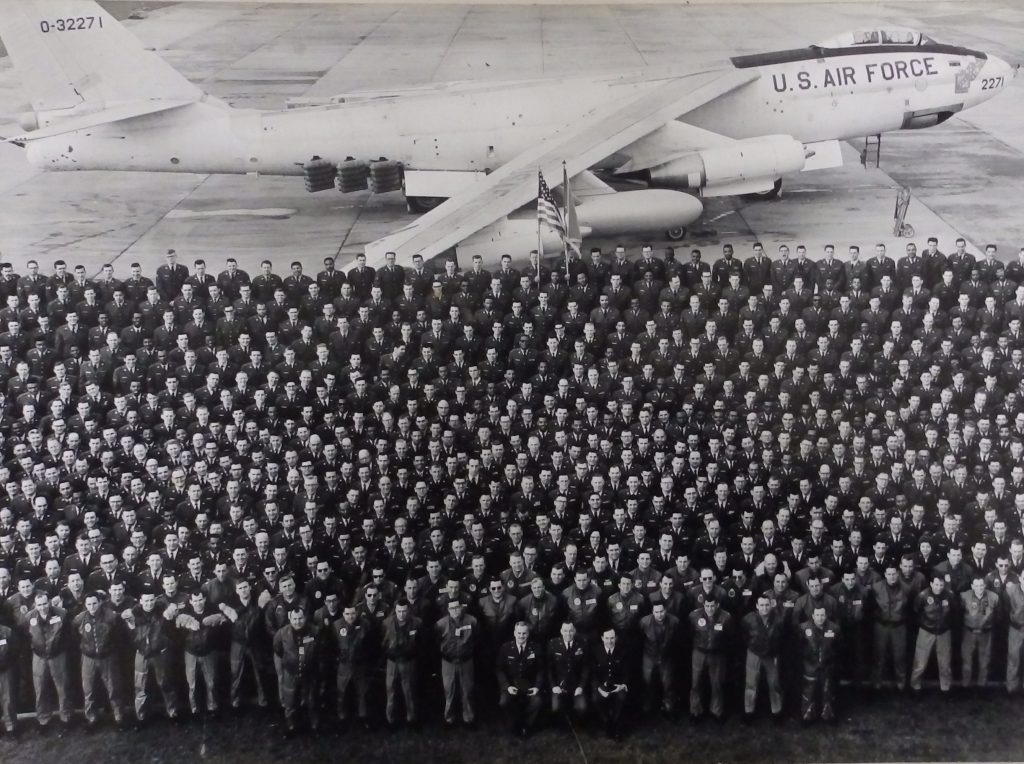
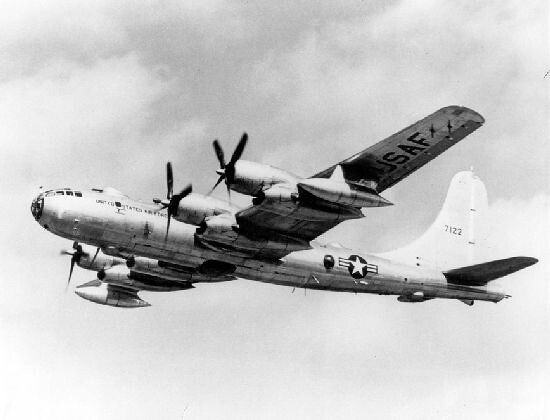
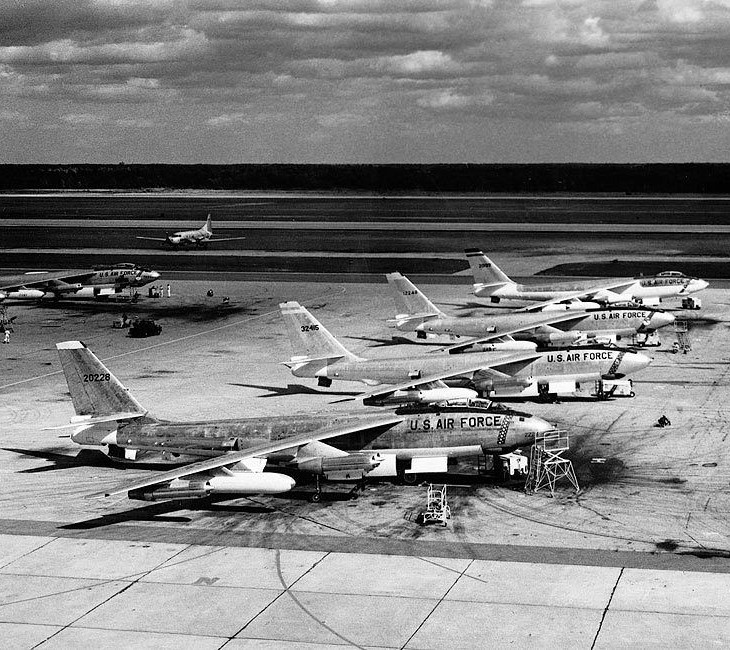
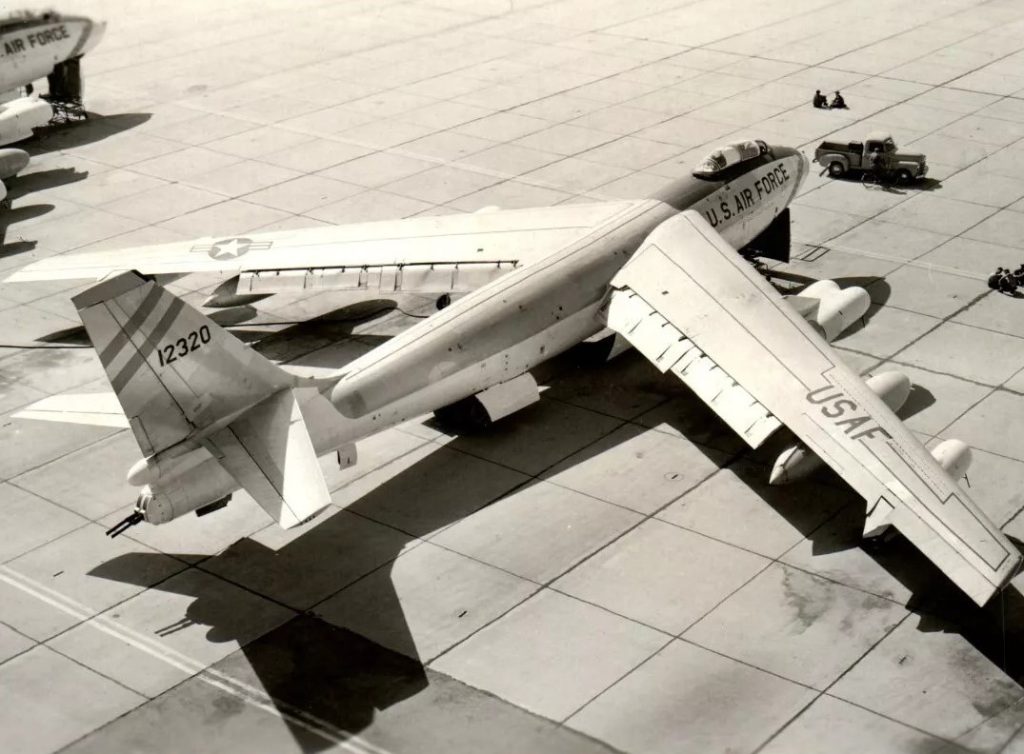
A Bombardment Wing of forty-five bombers, plus a Squadron of tankers for inflight refuelling, flew across the Atlantic to remain in Britain for 90 days. They were accompanied by maintenance crews and some aircraft were always on Alert ready to launch a strike within 15 minutes.
Strategic Air Comamnd

Reflex Alert

In 1958 90-day TDYs stopped due to problems with aircraft maintenance so far away from home bases, separation of service families, and to reduce costs.

Reflex Alert started at Upper Heyford in January 1959 with a Bombardment Wing providing a composite squadron which changed every three weeks. 

Nuclear bombers continued to be on 15-minute Alert.

Strategic Air COMMAND

Cuban Missile Crisis

In 1962 all the nuclear bombers at RAF Upper Heyford were on Reflex Alert for three days when Soviet Russia attempted to base missiles on Cuba which could target the USA.

The USA threatened nuclear war. The Cuban Missile Crisis ended when Soviet Russia ordered the ships carrying missiles to Cuba to turn back.

STrategic air command

Reflex Alert ends

In 1960 an American high-flying U-2 spyplane was shot down by a missile over Soviet Russia. This proved that the SAC bombers operating from RAF Upper Heyford could be shot down before they reached their targets.

Soviet Russia had developed Intercontinental Ballistic Missiles (ICBMs) as part of its space programme. These could target Upper Heyford.

Reflex Alert was a reliable deterrent no longer and ended in 1965.

Strategic Air Command

Airborne Alert and the Missile Age

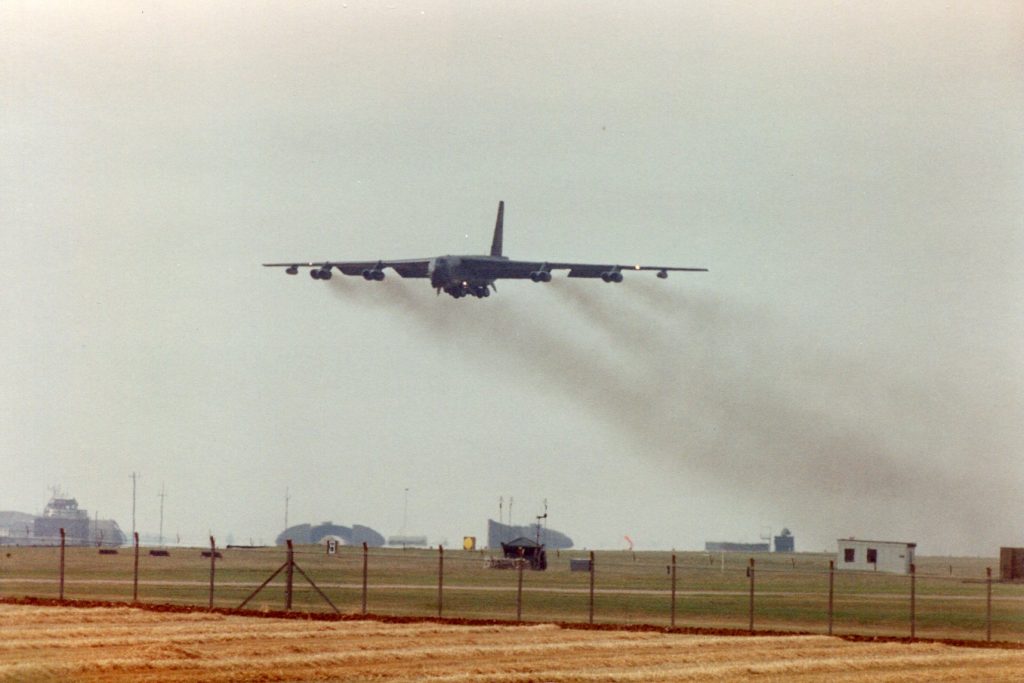
From 1959 SAC maintained two B-52 bombers on Airborne Alert 24/7 over Alaska as part of Operation Chrome Dome providing America’s primary nuclear deterrent.

Between 1959 and 1963 American Thor intermediate-range ballistic missiles (IRBM) were based in Britain under joint control with the RAF.

The first American Intercontinental Ballistic Missile (ICBM) Atlas C became operational in 1959 and 1965 and was replaced by Minuteman from 1962.

Visit Us

Visit the Heritage Centre

Discover more about SAC in the Heritage Centre or book an airbase tour to see where Reflex Alert aircraft waited to launch a nuclear strike.

Opening Hours